Why Quiet Emails Often Outperform Loud Promotions
Most marketers focus on the loud parts of email marketing.
Click Below to Watch Video
They think success comes from bold subject lines, aggressive promotions, fancy automation, big launches, and constant urgency.

Those things can work, but they are not the whole story.
Some of the most powerful emails are the ones that do not feel like marketing at all. They are the quiet, simple, relationship-building emails that many marketers overlook.
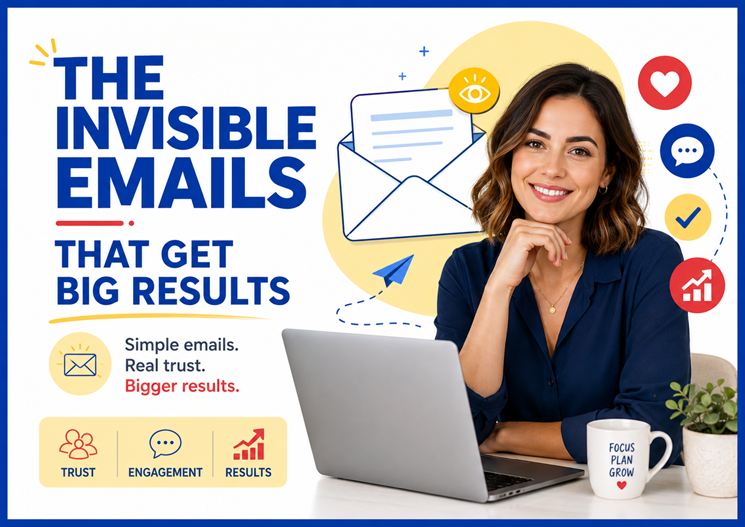
These are the invisible emails that get big results.
They may not look flashy. They may not feel urgent. They may not even contain a hard sales pitch. But over time, they build the trust, attention, and connection that make people more likely to open, click, reply, and buy.
Why Check-In, Story, and Value Emails Still Work
One example is the simple check-in email.
Instead of promoting something, you ask your subscribers how they are doing, what they are struggling with, or what they need help with right now. This kind of message stands out because most people are used to being sold to. They are not used to being asked a genuine question.
A check-in email can give you valuable insight into your audience. Their replies can reveal content ideas, product ideas, objections, frustrations, and buying triggers. Even better, it reminds your subscribers that there is a real person behind the emails.
AWeber Free: Email marketing for free. No credit card required.Another invisible email is the pure value email.
This is an email that shares a quick tip, helpful resource, useful shortcut, or simple lesson without asking for anything in return. There is no big pitch. No pressure. No complicated funnel.
Just value.
These emails train your audience to trust you. When people know your emails are helpful, they are more likely to keep opening them.
Story-driven emails are also powerful.
A short personal story, lesson learned, mistake made, or relatable struggle can connect with readers in a way a direct sales message often cannot. Stories make your emails feel human. They help readers see themselves in your experience.
You do not need a dramatic story. A simple moment from your business, a customer question, a mistake you corrected, or a lesson from your own journey can be enough.
Then there is the soft-offer email.
This is where you mention your offer naturally inside a helpful message.
Instead of saying, “Buy this now,” you might say, “By the way, if you want help with this, here is something that may make it easier.”
That kind of offer feels helpful instead of pushy.
The reason these invisible emails work is simple: they lower resistance. They build familiarity before the sale. They make your audience feel understood instead of pressured.
Essential Email Sequences that Engage, Nurture, and Convert
Assessment: Are You Ready to Use Email Marketing to Grow Your Business?
How Simple Relationship Emails Can Increase Opens, Clicks, and Sales
Many marketers skip these emails because they do not seem urgent. But urgency is not the only thing that drives sales. Trust does.
When you consistently send check-ins, value emails, stories, and soft offers, your subscribers begin to pay attention.
They begin to believe you are there to help, not just sell.
And when the time comes to make a stronger offer, they are more ready to listen.
The emails that seem small at first are often the ones that create the biggest long-term results.